A building condition assessment looks at the roof, walls, windows, and waterproofing before you buy, so the cost of fixing them lands in your offer instead of your second year of ownership. Envelope defects hide behind finishes, they are the most expensive systems to repair after the fact, and sellers sometimes already know they are there. Seven red flags are worth checking on every deal.
Buyers inspect a lot before closing. Title. Environmental. Structural. Mechanical systems and their remaining life.
The envelope often gets a walk-around from the parking lot.
That is the part that costs the most to fix and the part that is easiest to misjudge from the ground. A roof can look fine and be holding water inside the system right now. A wall can look fine and be rotting behind the cladding.
Jeff Martin and Mark Stewart came out of commercial roofing before they became consultants. They get called after closings more often than before them. That is an expensive way to meet.
What Is a Building Condition Assessment?
It is an inspection of everything that encloses the building. Roofing, exterior walls, windows and doors, and waterproofing above and below grade.
The work starts with paper. Past leak history, maintenance records, warranty documents, and as-built drawings if they exist. Then the walk. Every roof area, every elevation, photographs of what is found.
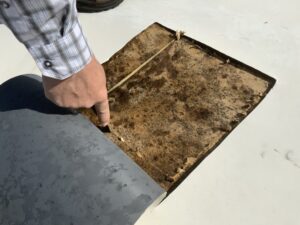
From there, testing goes as deep as the building warrants. Infrared thermal scans to map trapped moisture. Moisture meter and humidity readings. Water testing at windows and storefronts. Electronic leak detection on membranes. Sometimes a small destructive opening, because some questions cannot be answered any other way.
The deliverable is what you actually need at the negotiating table. What condition it is in, what it will cost, and roughly when.
Which Envelope Red Flags Should You Check Before You Buy?
Seven things are worth putting on the list for every commercial deal.
- Finishes that were redone in one spot only. Fresh drywall, fresh paint, or new ceiling tile in a single area of an otherwise tired building is a repair, not a refresh. Ask what was behind it.
- A roof with no age and no records. If nobody can tell you when it went on, who installed it, or what has been repaired, assume the worst case in your numbers until someone proves otherwise.
- Standing water that is still there 48 hours after rain. Ponding means the drainage is not working the way it was designed to. It also shortens the life of almost every roof system.
- Sealant that has obviously been redone. New sealant at windows, copings, and transitions on an older building means someone was chasing a leak. Find out whether they found it.
- Terraces, plaza decks, or green roofs over occupied space. These are the most expensive conditions in the building. The membrane sits under pavers, insulation, growing media, and plants, and none of it can be inspected without removing all of it.
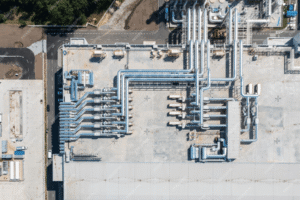
- Penetrations that were added later. Every HVAC curb, conduit run, and pipe added after the original roof went on is a hole somebody flashed, or did not. The trades that put them there rarely think of the roof as anything but a work surface.
- A warranty file with gaps. Most roof warranties require documented inspections and prompt repairs. Missing years often mean the coverage the seller is handing you will not answer the question you end up asking.
How Much Can a Hidden Envelope Problem Actually Cost?
Here is a case that shows what concealment looks like.
A buyer purchased a property for roughly $1.8 million. After closing, the framing turned out to be rotted through behind the exterior wall. The fix was not a patch. The entire rear facade came off and was rebuilt from the ground to the roof. That work ran about $800,000.
The part that matters most came out later. The previous owner had already opened that wall, seen the rot, and covered it back up.
That is not a rare instinct. A seller who discovers a serious envelope problem has two options, and closing the wall is the cheaper one. Nothing about the building’s appearance at showing gave the buyer a reason to look.
Scale that thinking up to a high-rise with waterproofed plaza decks over occupied space and the same logic gets much more expensive. Once overburden is on a deck, the membrane under it is invisible to everyone, including the seller’s own facilities team.
When in the Deal Should This Happen?
During due diligence, while you still have the ability to act on what you learn.
An assessment done after closing tells you the same facts. It just tells them to the person who now owns them.
Timing is workable. Most assessments take a day or two on site, with testing scheduled around access. The bigger constraint is roof access and getting the property manager to open things up, so put the request in early rather than in the last week.
One more thing worth asking for: whether the building has ever had water testing or leak detection performed, and whether any records exist. On newer buildings, the absence of construction phase testing is itself useful information.
How Does This Change What You Offer?
Three ways.
It puts a number on deferred capital. A roof with four years left is a line item you can plan around. A roof with four years left that nobody told you about is a surprise.
It gives you something specific to negotiate with. The roof looks old moves nobody. A documented report with photographs, moisture mapping, and a repair estimate moves price.
It tells you what you are inheriting in liability. If the building was constructed between 2020 and 2023, it went up during material shortages, crew turnover, and schedule pressure. Those defects take years to surface, and some of them are surfacing now.
How Does Fortress BEC Approach It?
We did not learn this from a textbook. Jeff and Mark installed these systems, ran the crews, and fixed the failures before they ever wrote a report about one.
That changes where we look. We go straight to the transitions, the penetrations, and the places another trade would have been working, because those fail first.
We work in the Carolinas and Virginia most weeks and travel wherever a project is. We were in 27 states in a single year.
What Should You Do Before You Sign?
If you have a building under contract, or one you are thinking about, send us the address and whatever documents the seller has provided. We will tell you what we would want to look at and what it would take.
Inspections are cheap. Litigation is not.
Call Mark Stewart at (919) 730-1785 or email [email protected].
Inspecting what you’re expecting.
Related Articles
- Signs of Building Envelope Failure: What Commercial Building Owners Should Catch Early
- The Myth of the Roof Warranty: What Your Document Actually Covers
- Are You Really Getting the Roof You Paid For?
Frequently Asked Questions
What does a building condition assessment cover?
The building envelope: roofing, exterior walls, windows and doors, and waterproofing. It combines a document review, a full walk of every roof area and elevation, photographs, and non-destructive testing such as infrared scans, moisture readings, water testing, and electronic leak detection. Limited destructive openings are used when a question cannot be answered any other way.
How is it different from a general property condition report?
Scope and depth. A general report touches many systems at a summary level. An envelope assessment goes deep on the systems that cause the most water damage and cost the most to replace, and it is performed by people who have installed those systems.
Is it worth doing on a newer building?
Often yes. Buildings constructed between 2020 and 2023 went up during material substitutions, crew turnover, and compressed schedules. Envelope defects from that period typically take two to seven years to become visible, which means a five-year-old building can be right in the middle of that window.
How long does an assessment take?
Most buildings take a day or two on site, with testing scheduled around access. The schedule usually turns on roof access and how quickly the property manager can open things up, so ask early rather than in the last week of diligence.
Should the buyer or the seller order it?
Usually the buyer, during due diligence, because the buyer is the one who needs the number before the offer is final. Sellers order them too, ahead of listing, when they would rather know what is there than have a buyer find it first.